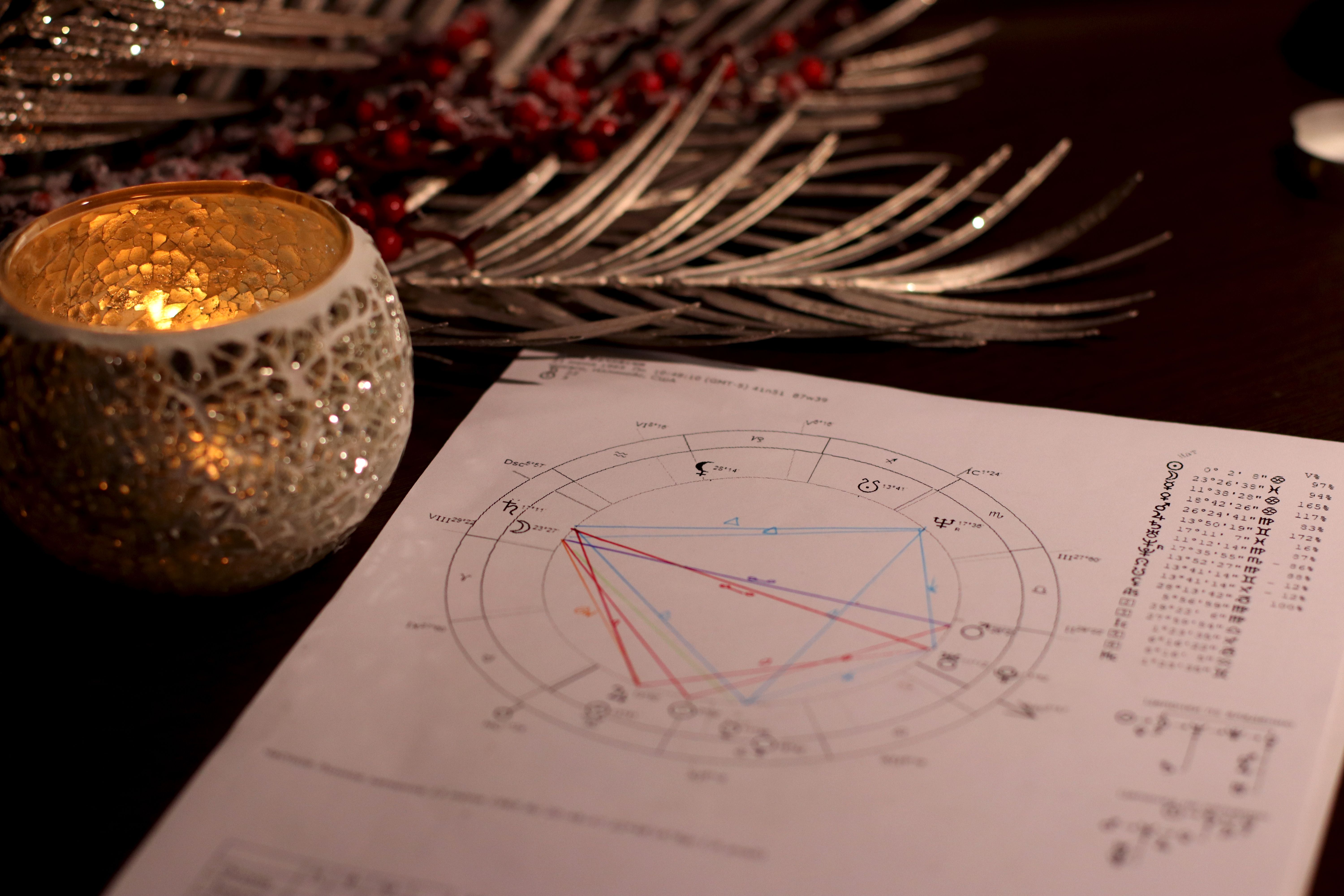
Mercury Retrograde Infographic

^(EDIT: A tip that might help is to imagine laying the infographic chart down on top of your own natal chart, as though it was transparent and you could see your own chart through it.) ^(Match up the signs exactly.) ^(Now, whichever house the infographic’s aquarius section (and that Mercury glyph) ^(land — that’s where transiting Mercury is,)) ^(***in your chart***)^(. It will be in a different house (but same sign) ^(in everyone’s charts))
How to use the infographic.
Note: This will be far easier if you do your chart in Whole Sign houses, but it’s not required.
Just pretend the chart in the infographic is yours. Transiting Mercury is in Aquarius. So, find what house that is in, in your own chart. (If using placidus, find where the last half of Aquarius is, or more precisely, where 11 to 26 degrees of Aquarius is.)
Look at the infographic chart. Note that the grey highlighted areas on top of the degree numbers show what portion of each sign would be affected by this transiting Mercury. That is, the grey highlight covers from 11 to 26 degrees of each sign. If you have a planet at 4 degrees in any sign, this Mercury retrograde period will not be aspecting it. If you have a planet at 14 degrees of any sign, it will.
Now, see all those aspect lines fanning out from Aquarius in the infographic chart? Those lines tell you what kind of aspect transiting Mercury is making to each sign. Think of transiting Mercury sitting in his house in Aquarius, looking out at all the other signs. Those aspects lines are his line of vision.
If you have a planet in Taurus, look to see if its degree position (the little numbers next to your planet glyph on your chart) is between 11 and 26. If you have nothing in that degree range in Taurus, then you will not have an aspect there from transiting Mercury.
If you do have something in Taurus, between 11 and 26 degrees, then find Taurus on the infographic chart. See the red arrow pointing from Aquarius to Taurus that says square? That tells you transiting Mercury in Aquarius is squaring your natal planet in Taurus.
Just do the same for each planet in your chart. If you have something at 16 degrees Libra, then by looking on the infographic chart, you can tell that transiting mercury will make a trine aspect to your natal planet, because of the blue line labeled “trine” pointing to Libra.
When would an aspect from transiting Mercury occur?
I’ve included a partial ephemeris at the bottom of the infographic, so you can get a good idea of when an aspect from transiting Mercury might happen. Each degree position listed beside each date, shows where transiting Mercury is at 12:00am on that date. All the positions are in UT, so it’s possible the exact aspect might happen for you on a day before or after what is listed.
Look at the three colored ephemeris boxes at the bottom of the infographic. Now just find which degrees on the ephemeris list will matter for you (using the chart and instructions above). Do you have something at 13 degrees Leo? Then we would want to find all the days where the degree numbers are very close to 13.
Look for 12 to 14 in the left box titled “Pre-Shadow Period”. We can see that on Jan 16th-17th, transiting Mercury is at 13 degrees Aquarius and so (looking now at the aspect lines on the chart) we can see it would make an opposition to your Leo planet.
Now look at the middle box titled “Retrograde Period”. When it goes into retrograde, it will back up and hit that 13-degree planet of yours again around Feb. 15th.
And last, find where transiting Mercury once again reaches 13 Leo, in the last box, titled “Post-Shadow Period”. We see it happens around Feb. 28th.
Sometimes, two hits might happen in the same box, and not at all in one of the other ones. Just depends on how the degree you’re looking up falls into the cycle
I won’t be doing any descriptions of any transits. This post and infographic is to help you learn how to figure out what is happening, and when. Keep in mind Mercury Retrograde cycles are quite over-hyped. Remember: transiting Mercury makes aspects to every single thing in your chart just about every month, over and over.
Once you know what aspect transiting Mercury is making, then you can google it for the meaning. Always include the word “transit”, or “transiting”, to make sure you get the right kind of description (rather than a description of a just natal aspect). And use quotes like this:
- “transiting mercury” square mars.
A really great resource any student of astrology should have on hand is Robert Hand’s book Planets In Transit. It’s an encyclopedia of transits.