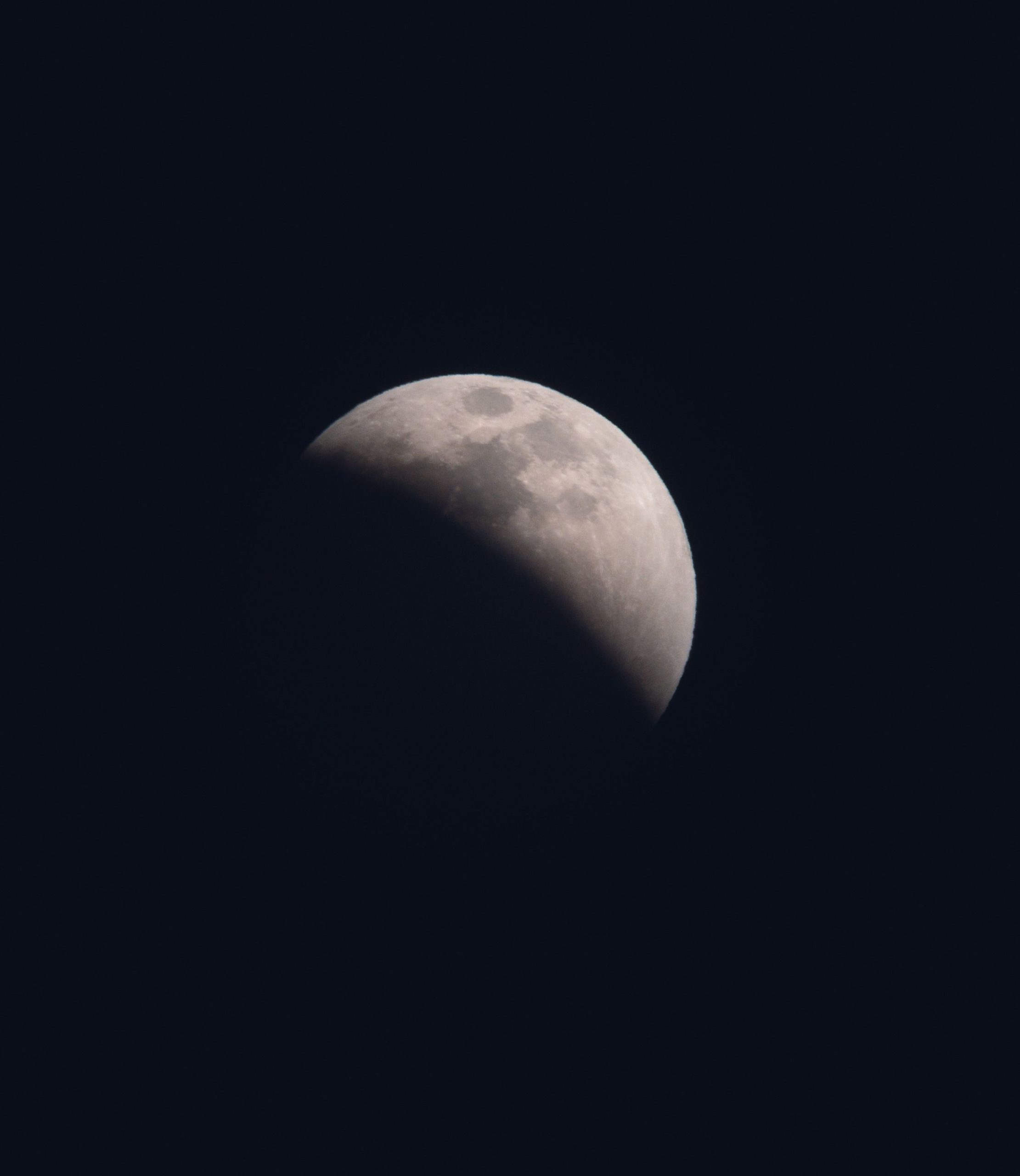
Venus Emerges from Behind the Moon: A Stunning Astronomical Occultation Experience
Yesterday afternoon, a remarkable celestial event took place that vividly illustrated the dynamic dance of our solar system. As the Moon smoothly circled Earth, it passed directly in front of the planet Venus—a phenomenon known as an occultation. This rare alignment allowed observers to witness our neighboring planet momentarily hidden behind the lunar surface, an event both captivating and scientifically significant.
A Closer Look at the Occultation
An occultation occurs when one celestial body temporarily obscures another from view. In this case, viewers across North America had the rare opportunity to observe Venus’s brief disappearance behind the Moon. Remarkably, Venus was visible during daylight hours with the unaided eye, making this event accessible without specialized equipment. For enthusiasts and casual skywatchers alike, the event offered a unique window into our solar system’s mechanics.
Capturing the Event
From a personal vantage point near Seattle, Washington, I utilized a high-quality telescope—specifically, a Celestron C9.25 and an ASI662MC camera—to capture detailed images of the occultation. Accompanying the stills is a short video recordable with a standard smartphone, showcasing Venus positioned adjacent to the crescent Moon. The footage clearly illustrates Venus’s presence next to the lunar surface, providing real-time visual evidence of this celestial occurrence.
The Size and Position of Venus
Though Venus appears small in our night sky—or even during daylight—it is, in reality, four times wider than our Moon. Its apparent size is significantly diminished by its vast distance from Earth; Venus currently resides beyond the orbit of our inner planets, making it a distant point of light rather than a close-up spectacle. Nonetheless, its brightness and position relative to the Moon create captivating visual phenomena like this occultation.
Historical and Scientific Significance
Such events offer more than mere spectacle—they serve as valuable opportunities for scientific observation and study. Tracking the precise timing and position of occultations can help refine our understanding of planetary orbits, lunar motion, and even refine future astronomical models.
Conclusion
Witnessing the Moon pass in front of Venus was a reminder of the intricate beauty and precision inherent in our solar system. Events like this not only inspire awe but also deepen our appreciation for the celestial choreography that unfolds overhead. I encourage fellow enthusiasts and novices alike to keep an eye on the sky—these rare alignments are fleeting but endlessly fascinating.
Equipment used: Celestron C9.25 telescope, ASI662MC camera.
Location: Near Seattle, Washington.
Note: The event was visible across most of North America, highlighting the accessibility and widespread wonder of celestial phenomena.