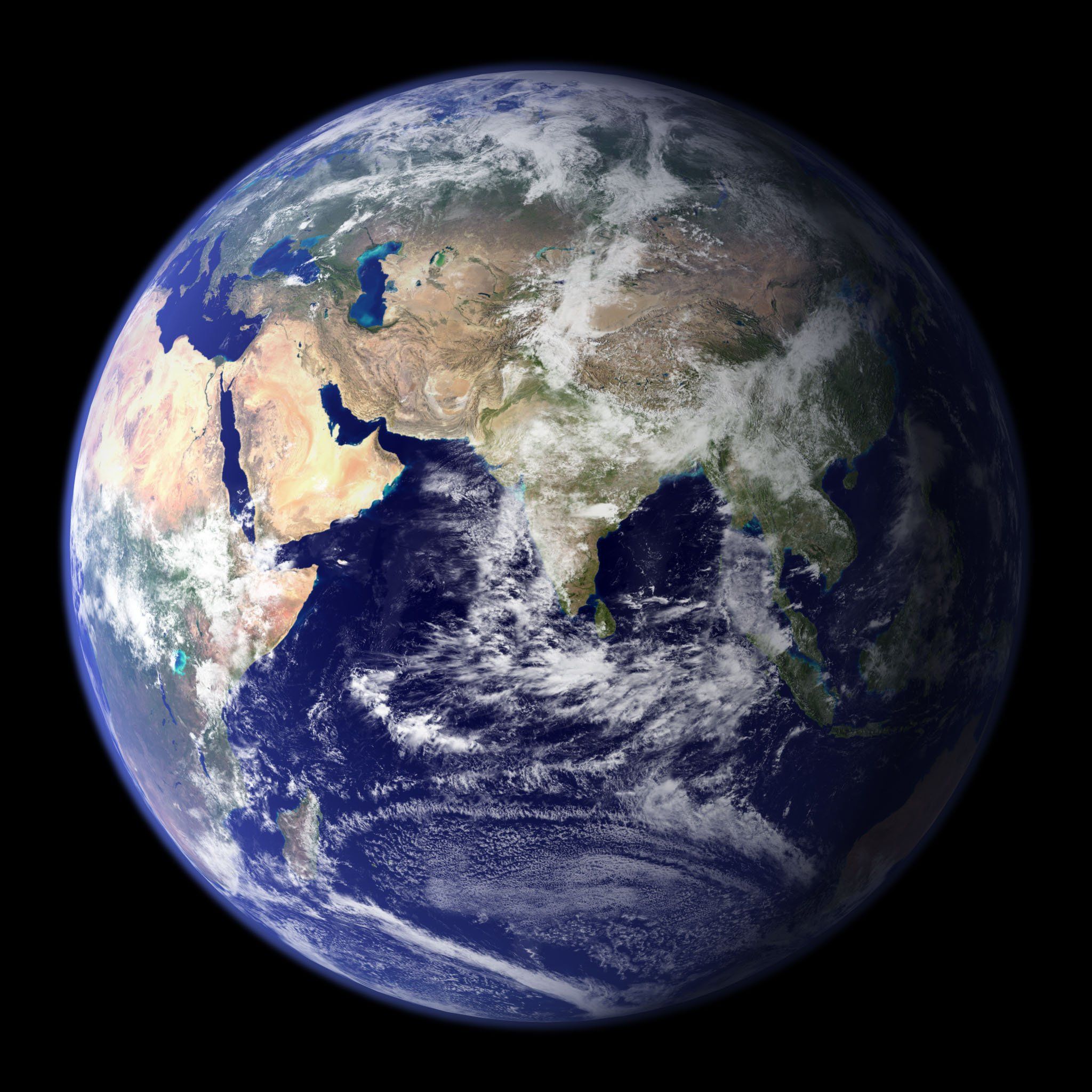
Unpacking the Myth: The “Hello World” and “Blue Marble” Photos of Earth – Separating Fact from Fiction
In recent discussions surrounding space exploration imagery, a common trend has emerged: comparing the latest pictures of Earth from NASA’s Artemis II mission with the iconic “Blue Marble” photograph from Apollo 17. Many observers tend to leap to conclusions, suggesting that Earth appears “dirtier” today or that advancements in digital imaging have compromised the quality. However, these comparisons often overlook crucial context and technical nuances. Let’s clear up the misconceptions and understand the reality behind these images.
The Origin and Processing of the “Blue Marble” Image
The “Blue Marble” photograph is one of the most recognizable images of Earth, symbolizing our planet’s beauty and fragility. It’s important to note that the version of the Blue Marble most frequently circulated is not simply a straightforward photograph straight out of a camera. The images we see today are heavily processed: colors have been balanced, contrasts enhanced, and minor blemishes cleaned up to improve clarity and visual appeal.
NASA has released multiple iterations of this iconic image over the years, each with varying degrees of digital enhancement. The version that is widely recognized and used in educational and promotional materials is, in fact, a composite process designed for presentation—meaning it has been transformed from the original raw data to ensure maximum impact and clarity.
The Differences in Recent Artemis II Earth Images
The recent images from NASA’s Artemis II mission, including the notable “Hello World” shot, are captured under entirely different conditions. These photographs were taken with cameras set to high ISO (specifically 51,200) and longer exposure times (around 1/4 second). The camera used was a Nikon D5, and these settings enable capturing faint details like stars and auroras, which are normally invisible to the naked eye.
Because of the extreme exposure, the images appear grainy, noisy, and dim—traits that are consistent with high-ISO astrophotography. The fact that Earth itself looks darker and more textured isn’t an indication of dirtiness or environmental decline but rather a consequence of the camera settings designed to reveal features of the space environment that are not visible in real-time Human vision.
Comparing Apples to Apples: Raw vs. Processed Images
When you compare relatively untouched versions of the Apollo “Blue Marble” (original film scans with minimal processing) to the Artemis “Hello World” images (shot with extreme exposure), the differences are less stark than many assume. In fact, with proper exposure adjustments, the images have more similarities than contrast.
Here are some visual references for comparison:
- Artemis II’s Earth View (Commander Reid Wiseman’s perspective): NASA Image
- Artemis II’s “Hello World”: NASA Image
- Original, unretouched Apollo 17 “Blue Marble”: Wikipedia
- Retouched Apollo 17 “Blue Marble”: Wikipedia
.jpg)

The Bottom Line
The takeaway is clear: imaging conditions, processing techniques, and camera settings all significantly influence how our planet is portrayed in photographs. Comparing highly processed, aesthetic versions of the “Blue Marble” with raw, high-exposure shots from space doesn’t reflect a decline in Earth’s appearance or environmental quality. Instead, it highlights the importance of understanding the context behind each image.
As space exploration continues to unveil stunning views of our planet, it’s essential to approach these images with informed perspective. They are powerful tools for awareness and education, not indicators of environmental change based solely on photographic appearances.
In summary:
- The iconic “Blue Marble” is a processed image, not a raw snapshot.
- Recent Artemis II images are captured under different technical conditions and are intentionally high-exposure to capture details invisible to the naked eye.
- When comparing similar raw or minimally processed images, Earth’s appearance remains consistent, showing no evidence of degradation.
Let’s celebrate space imagery for the marvels they are—remarkable representations of our planet through the lens of science, technology, and human curiosity.