The Trump budget proposal will destroy NASA and Astronomy programs across the USA.

Potential Budget Cuts Threaten the Future of NASA and National Astronomy Programs Recent budget proposals have ignited concern among scientists, space enthusiasts, and policymakers about the future of NASA and its critical astronomy initiatives. The proposed funding plan suggests a significant reallocation of resources, which could undermine ongoing projects and jeopardize the agency’s broader mission […]

Not your typical observatory- got to visit the LIGO site in Hanford, Washington which looks for gravitational waves!

Exploring the Cutting-Edge: A Visit to the LIGO Hanford Observatory The Gravity of Scientific Discovery Recently, I had the unique opportunity to visit the LIGO (Laser Interferometer Gravitational-Wave Observatory) facility located in Hanford, Washington—a site dedicated to one of the most groundbreaking pursuits in modern astrophysics: detecting gravitational waves. Unlike conventional observatories, LIGO’s innovative approach […]

Is there an edge, and if so, what is just beyond it?

Exploring the Cosmic Boundaries: Does an Edge Exist in Our Universe? The universe has long captivated human curiosity with its vastness and mystery. While our understanding is continually evolving, many questions still linger about the fundamental nature of the cosmos, particularly concerning its boundaries—or perceived edges—and what might lie beyond them. Understanding the Universe’s Scale […]

Astronomer here! Last day working at Harvard University 😭

Reflecting on a Milestone: Transitioning from Harvard to a New Academic Journey As an astronomer, I recently experienced a significant professional milestone—my last day working at Harvard University. While I acknowledge that sharing such personal reflections on a public platform might raise some questions, I believe it’s important to celebrate these moments of transition that […]

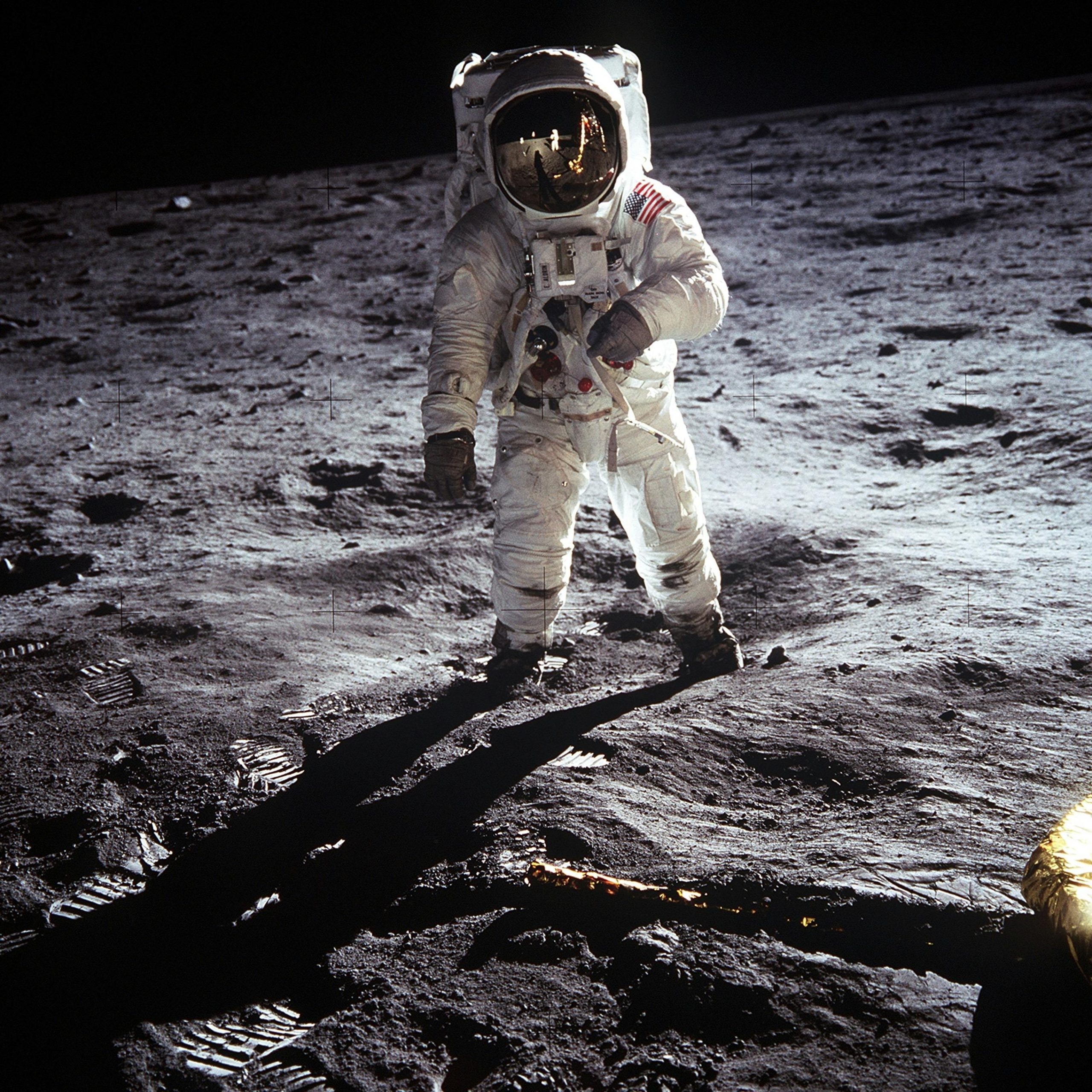
Why does the Earth viewed from the Moon looks smaller than the Moon viewed from Earth?

Understanding the Apparent Size Difference: Why Does Earth Look Smaller When Viewed from the Moon? Many enthusiasts and curious minds have pondered the visual perspectives of our planetary neighbors. A common question arises when examining historical images taken from the Moon: Why does the Earth appear smaller when viewed from the lunar surface, especially in […]

Is it feasible to identify advanced civilizations based on industrial pollution? Unlikely.

Detecting advanced civilizations by their industrial pollution presents several challenges. The primary idea lies in discovering specific atmospheric signatures, such as industrial gases like chlorofluorocarbons (CFCs), that do not naturally occur and are indicative of technological activity. However, there are significant obstacles to this approach. Firstly, the sensitivity required to detect such gases from interstellar […]

Are There Data Centers in Space? A Quarterly Update on Data Centers

The concept of data centers in space is gaining interest as technology advances and the demand for data processing and storage increases. Several factors contribute to this interest: Environmental Control: Space offers a naturally cold environment, which can significantly reduce the cooling requirements for data centers, one of their major energy-consumption aspects on Earth. Proximity […]

While SpaceX excels at reusing boosters, how do they fare in constructing upper stages?

SpaceX has been pioneering in the realm of reusable rocket technology, particularly with their Falcon 9 and Falcon Heavy boosters that routinely return to Earth for refurbishment and reuse. This achievement has been a game-changer for reducing costs and making space access more sustainable. However, when it comes to the upper stages of their rockets, […]

I’ve discovered what might be an intriguing star in the TESS data. Could someone with more expertise examine it? The video is 1 minute long.

The Transiting Exoplanet Survey Satellite (TESS) is designed to search for planets orbiting other stars by monitoring changes in brightness. If you’ve identified a potential candidate star that appears interesting, it could be due to various phenomena, such as exoplanet transits, stellar variability, or even instrumental artifacts. To advance the analysis, follow these steps: Verify […]

What are the best locations to view the New Glenn launch?

To watch a New Glenn launch, consider visiting several prime viewing locations, especially if the launch is from Cape Canaveral Space Force Station in Florida, where Blue Origin’s facilities are based. Kennedy Space Center Visitor Complex: This location offers the closest public viewing areas and may include special viewing packages with commentary and live countdowns. […]