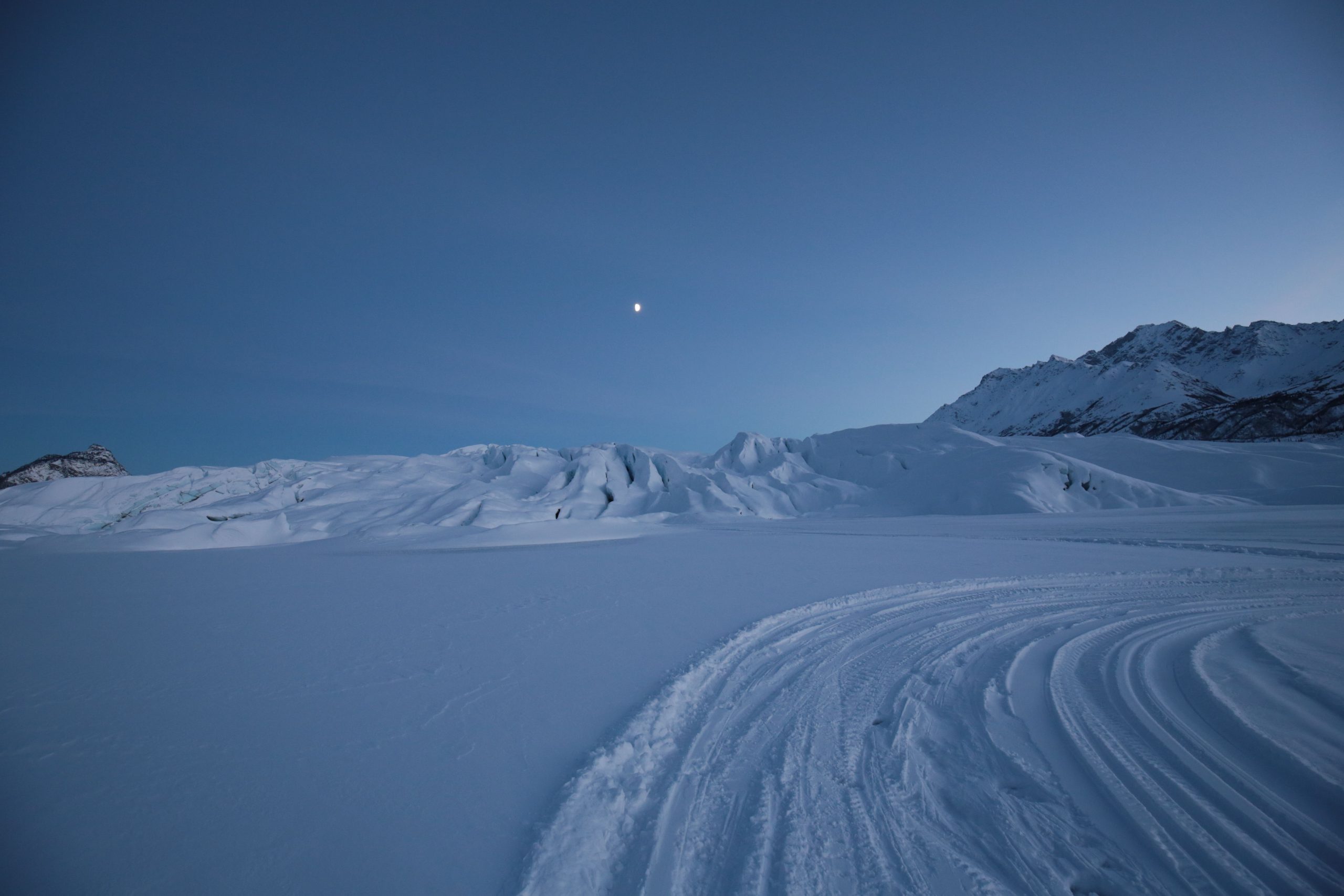
Captivating Moon Dogs in Alaska: A Rare Optical Phenomenon at -28°F
Living in Alaska offers a front-row seat to extraordinary atmospheric phenomena, especially during the colder months. Recently, I had the opportunity to witness and photograph a stunning example of such an event — moon dogs, also known as paraselenes — captured amid temperatures plunging to -28°F.
A Unique Optical Phenomenon
Moon dogs are bright spots that appear on either side of the moon, aligned along a halo that circles the lunar body. These luminous arcs are caused by the refraction of moonlight through hexagonal ice crystals suspended in the Earth’s upper atmosphere. Their appearance is a testament to the intricate interplay between celestial light and atmospheric ice formations.
The Moment in Alaska
On a chilly night just a couple of days ago, I managed to photograph one of the most vivid displays of moon dogs I have ever seen in my 14 years residing in interior Alaska. The extreme cold, combined with specific atmospheric conditions, resulted in exceptionally bright and well-defined moon dogs that evening.
Capturing the Scene
The photograph was taken using an iPhone 16 Pro, set at a 13mm focal length with an f/2.2 aperture. The result is a clear, detailed snapshot of this beautiful lunar optical illusion, showcasing the breathtaking beauty that can be observed under the right environmental conditions.
Final Thoughts
Experiencing and capturing phenomena like moon dogs enriches our appreciation of nature’s complexities, especially in regions like Alaska where such effects are more prevalent during the coldest months. It’s a reminder of how the atmosphere can transform a simple moonlit night into a mesmerizing display of natural artistry.
Stay tuned for more updates on atmospheric phenomena and nature photography from the Last Frontier.